


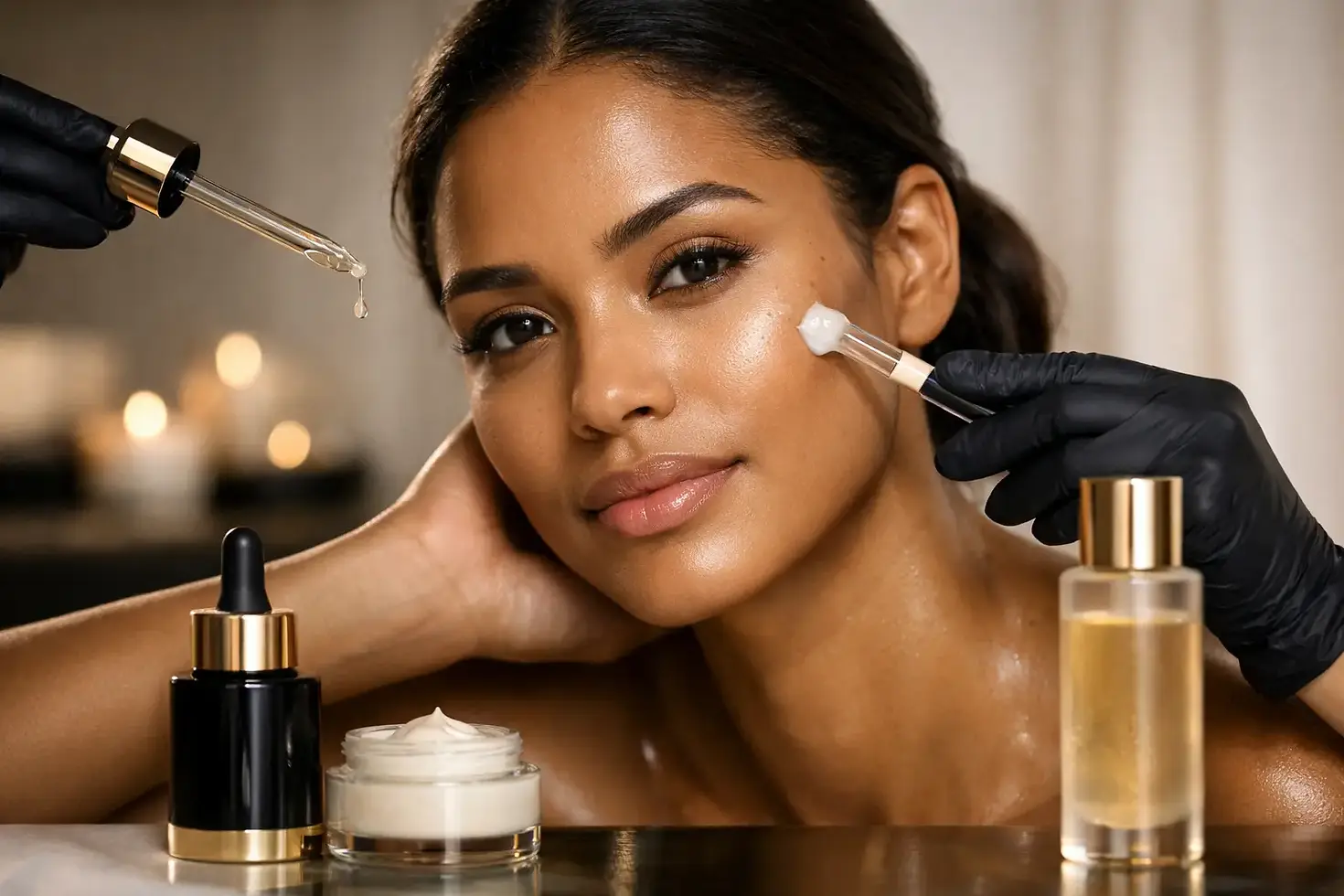
A Dark Spot Routine for Brighter-Looking Skin
Dark spots rarely need a complicated 10-step plan. What they need is consistency, thoughtful ingredients, and daily protection from the exposure that can make uneven tone look more noticeable. A well-designed dark spot routine supports a clearer, more radiant-looking complexion without overwhelming your skin barrier.
Whether your marks appeared after blemishes, sun exposure, irritation, or hormonal changes, patience matters. Skin renewal takes time, and visible improvements often come from using the right essentials regularly rather than changing products every week. Glowing Skin Is Always In - but healthy skin comes first.
Start by Understanding What Your Skin Needs
Dark spots are areas of excess pigment that can leave the complexion looking uneven. They may show up as post-blemish marks, sun spots, or patches of discoloration. While they are common across all skin tones, deeper skin tones can be especially prone to noticeable marks after inflammation or irritation.
That is why a gentle approach is so valuable. Scrubbing too aggressively, layering too many active ingredients, or picking at blemishes can create more irritation - and irritation can make the appearance of discoloration more persistent. The goal is not to strip the skin into submission. It is to create the conditions for calm, supported, healthy-looking skin.
If a spot changes quickly in size, shape, color, or texture, or if you have concerns about a new mark, consult a qualified healthcare professional or dermatologist. Your skincare routine can support cosmetic concerns, but it should never replace professional evaluation when needed.
The Core Dark Spot Routine: Cleanse, Correct, Protect
The most effective routines are built around a few non-negotiable steps. Think of them as your daily foundation: cleanse without disrupting the skin, apply ingredients that support a brighter-looking tone, moisturize to maintain comfort, and wear sunscreen every morning.
1. Cleanse Gently, Morning and Night
Start with a cleanser that removes sunscreen, makeup, oil, and daily buildup without leaving your face tight or squeaky. That overly stripped feeling is not a sign of a better cleanse. It can signal that the skin barrier needs more support.
For oily or blemish-prone skin, a well-formulated clarifying cleanser may fit beautifully into your routine. For dry or sensitive skin, a creamy or hydrating cleanser may be the better choice. The right option depends on how your skin feels after cleansing: refreshed and comfortable is the goal.
In the evening, take extra care to remove sunscreen and makeup fully. Leaving residue behind can contribute to congestion for some skin types, and preventing new blemishes helps reduce the chance of new post-blemish marks.
2. Use a Targeted Brightening Serum
A serum is often where your dark spot routine becomes more focused. Look for science-backed ingredients known for supporting a more even-looking complexion, such as vitamin C, niacinamide, alpha arbutin, tranexamic acid, licorice root extract, or azelaic acid. You do not need every ingredient at once.
Vitamin C is a popular morning choice because it supports antioxidant protection and radiance. Niacinamide is a versatile option that can help support the skin barrier while improving the look of uneven tone. Alpha arbutin and tranexamic acid are frequently chosen for more targeted brightening routines.
Choose one primary brightening serum and use it consistently. If you are introducing an active formula for the first time, begin a few nights or mornings per week and build up as your skin tolerates it. More product does not automatically create better results. A measured routine is often the one you can maintain.
3. Add Exfoliation With Intention
Exfoliation can help improve the look of dullness and encourage a smoother-looking surface, but it is the step most likely to be overdone. Chemical exfoliants, including AHAs such as glycolic or lactic acid and BHAs such as salicylic acid, can be useful depending on your skin goals.
If your primary concern is post-blemish marks alongside congestion, salicylic acid may be worth considering. If uneven texture and dullness are more noticeable, a gentle AHA may suit your routine. The trade-off is simple: exfoliation can be beneficial, but using it too often may lead to dryness, sensitivity, and visible irritation.
Begin with one exfoliating product one or two evenings a week. Avoid pairing it with multiple new active ingredients on the same night. Give your skin time to show you how it responds before increasing frequency.
4. Moisturize to Support Your Barrier
Brightening skincare is not only about corrective serums. Hydration is part of the strategy. A quality moisturizer helps support the skin barrier, keeps the complexion comfortable, and can make an active routine easier to tolerate.
Look for formulas featuring ingredients such as ceramides, glycerin, hyaluronic acid, squalane, or nourishing plant-derived emollients. Lightweight gel creams can work well for oilier skin, while richer creams may be more comfortable for dry, mature, or compromised skin.
Do not skip moisturizer because your skin is oily. Dehydrated skin can still produce excess oil, and a balanced moisture routine helps your skin feel more stable rather than constantly challenged.
5. Wear Sunscreen Every Single Morning
Sunscreen is the most essential step in a dark spot routine. Without it, sun exposure can continue to deepen the look of existing marks and make it harder to maintain the progress your other products support.
Apply a broad-spectrum sunscreen with SPF 30 or higher every morning, including on cloudy days and when you spend most of your time indoors near windows. Use enough to cover the face, neck, and any area where discoloration is a concern. Reapply when you are spending extended time outdoors, sweating, or swimming.
For deeper complexions, an elegant sunscreen that blends in comfortably can make daily use far more realistic. The best sunscreen is the one you enjoy applying consistently. A finish that feels lightweight, non-greasy, and compatible with makeup can turn this step from an obligation into a habit.
A Simple Morning and Evening Plan
In the morning, cleanse if needed, apply a vitamin C or niacinamide serum, moisturize, and finish with sunscreen. This routine keeps the skin comfortable while prioritizing everyday protection.
At night, cleanse, apply your chosen brightening serum, and moisturize. On one or two designated evenings per week, use your exfoliating treatment instead of other strong actives, then follow with a comforting moisturizer. Keeping active nights simple helps avoid the common mistake of stacking exfoliants, retinoids, and brightening treatments all at once.
If you use a retinoid in your existing routine, introduce it carefully and alternate it with exfoliation rather than applying both on the same evening, especially when your skin is adjusting. Retinoids can support smoother-looking texture and a more refined complexion over time, but they are not the right starting point for everyone. Sensitivity, dryness, pregnancy considerations, and professional guidance all matter.
Habits That Help Protect Your Results
Your routine does not end at the bathroom counter. Avoid picking, squeezing, or scratching blemishes, as this can prolong visible marks. Be mindful of friction from masks, helmets, tight headbands, or shaving practices if those areas tend to become irritated.
Patch test new products, particularly if your skin is sensitive or you are trying a concentrated active. Apply a small amount to a discreet area and watch for signs of discomfort before using it across the face. If burning, persistent stinging, swelling, or a rash occurs, stop using the product and seek appropriate professional advice.
Consistency also means resisting the urge to switch formulas too quickly. Give a routine a reasonable window to work, while paying attention to your skin’s comfort and appearance. Taking progress photos in similar lighting every few weeks can be more useful than checking the mirror daily.
Build Your Routine Around Confidence, Not Perfection
A brighter-looking, more even complexion is a meaningful goal, but skin is allowed to be skin. Texture, pores, and the occasional mark do not take away from your beauty. The purpose of a dark spot routine is to help you care for your skin with intention, not chase an unrealistic standard.
Body Studio Cosmeceuticals believes the most luxurious routine is one that combines proven ingredients, beautiful textures, and the confidence of knowing you are caring for your skin consistently. Choose products that suit your needs, protect your glow daily, and let steady self-care do the meaningful work over time.


Comments