


What Causes Uneven Skin Tone? Key Triggers
- Body Studio
- Jul 18
- 5 min read
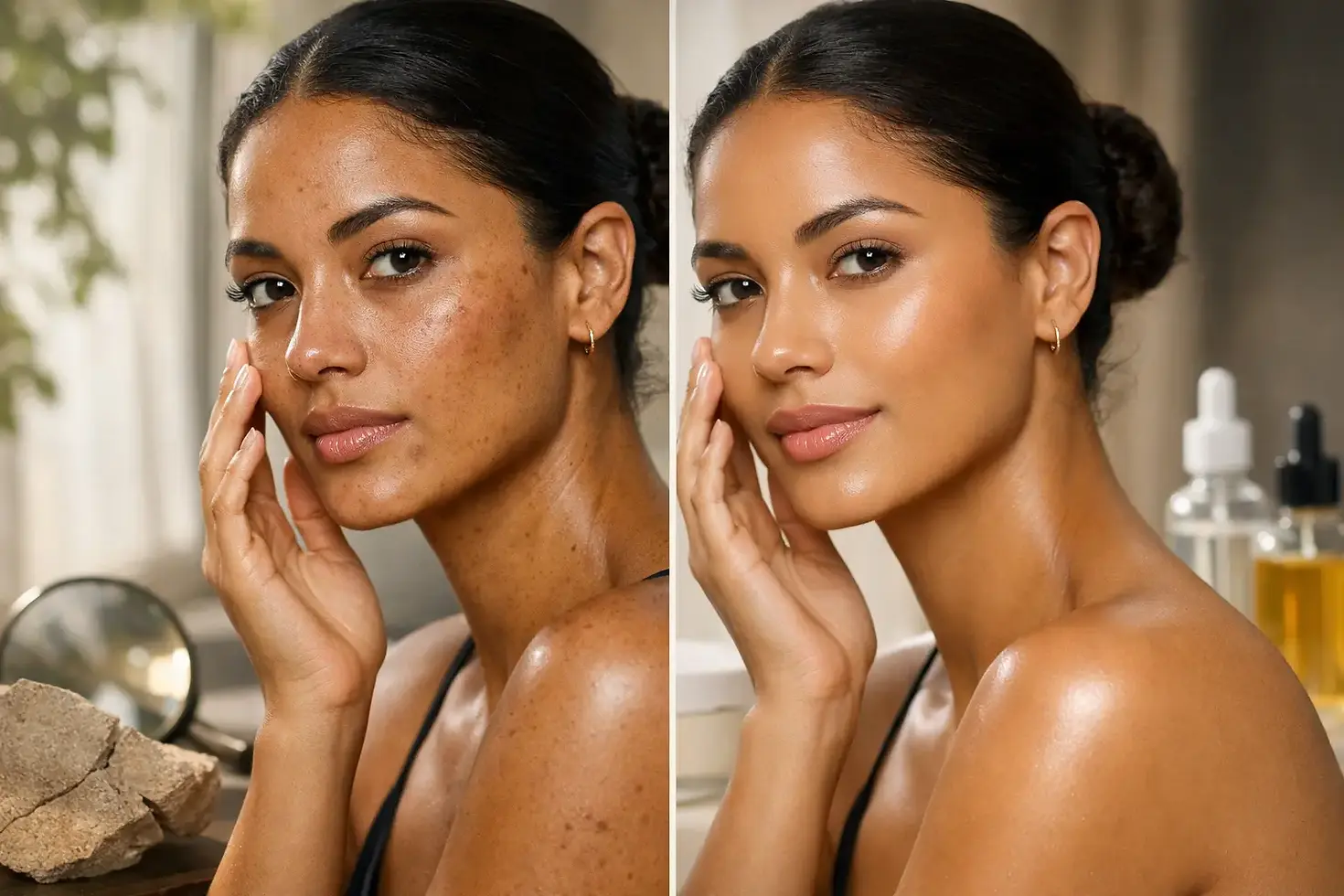
A bright, healthy-looking complexion is not about having one perfectly uniform shade of skin. Natural variations are normal. But when darker patches, post-acne marks, redness, or dull areas become more noticeable, it is understandable to ask: what causes uneven skin tone? The answer often comes down to how your skin responds to sun, inflammation, irritation, hormones, and daily habits.
Uneven tone can feel frustrating because it rarely has a single cause. The most effective approach is not to chase a quick fix, but to identify what may be triggering the change and support your skin with consistent, thoughtful care. Glowing skin is always in - and healthy skin is the foundation.
What Causes Uneven Skin Tone?
Skin gets its color primarily from melanin, a natural pigment produced by specialized cells in the skin. Melanin helps protect the skin from ultraviolet exposure, but its production can increase after certain triggers. When pigment is produced unevenly or lingers in specific areas, the complexion can appear patchy, darker, or less radiant.
For some people, uneven tone shows up as brown spots on the cheeks and forehead. For others, it may look like dark marks after blemishes, redness around the nose, or a general lack of brightness. Your skin tone, genetics, environment, and skincare habits all influence how visible these changes become.
Sun Exposure and Visible Sun Damage
Daily sun exposure is one of the most common reasons for uneven-looking skin. UV rays can encourage pigment production, making existing dark spots more noticeable and contributing to new areas of discoloration over time. This can happen on a beach day, but it can also happen during commutes, outdoor errands, and time near windows.
Deep skin tones are naturally rich in melanin, yet they still need daily sun protection. In fact, when skin is prone to hyperpigmentation, unprotected exposure can make marks take longer to fade. A broad-spectrum sunscreen that feels comfortable enough to wear every morning is one of the most valuable investments in a brightening routine.
Post-Inflammatory Hyperpigmentation After Breakouts
A blemish may heal, but the mark it leaves behind can remain visible for weeks or months. This is commonly called post-inflammatory hyperpigmentation. It occurs when inflammation from acne, picking, friction, or another irritation signals the skin to create extra pigment.
Picking or squeezing blemishes raises the risk of lingering marks because it can intensify inflammation and disrupt the skin barrier. Even a well-intentioned routine can prolong discoloration if it includes harsh scrubs, frequent over-exfoliation, or products that sting every time they are applied.
Hormonal Changes
Hormones can influence pigment activity, which is why uneven tone may become more noticeable during pregnancy, with certain contraceptives, or at different life stages. Some people develop broader, symmetrical patches of discoloration across the cheeks, forehead, upper lip, or jawline. Heat and sun exposure may make these areas appear more pronounced.
Because hormonal patterns are personal, the right plan depends on your skin and your circumstances. A dermatologist can offer helpful guidance when discoloration changes quickly, becomes widespread, or feels difficult to manage with a consistent at-home routine.
Irritation, Friction, and a Stressed Skin Barrier
Sometimes the products meant to improve your glow are the reason your skin looks less even. Strong actives used too often, fragranced products that do not agree with your skin, aggressive cleansing, or scrubbing can all lead to irritation. In response, skin may look red, dry, rough, or darker in affected areas.
Friction matters, too. Tight clothing, repetitive shaving, rubbing from masks or helmet straps, and even frequently touching the face can contribute to visible discoloration in areas that are already sensitive. The goal is not to eliminate every active ingredient. It is to use purposeful formulas at a frequency your skin can tolerate.
Dryness and Surface Buildup
Not all uneven tone is caused by excess pigment. When skin is dehydrated or has a buildup of dead surface cells, it can look dull, ashy, or unevenly reflective. Makeup may cling to dry patches, while the rest of the face looks smooth, making tonal differences seem more dramatic.
A gentle cleanser, a hydrating moisturizer, and occasional mild exfoliation can help improve the look of skin texture. The trade-off is important: exfoliation can create a fresh-looking finish, but using too much can compromise the barrier and lead to more visible irritation. More is not always better.
A Smarter Routine for Uneven-Looking Tone
Consistency will do more for your complexion than constantly switching products. Start with a simple routine that protects, hydrates, and gradually supports a more even-looking appearance.
In the morning, cleanse gently if needed, apply an antioxidant or brightening serum that suits your skin, follow with moisturizer, and finish with broad-spectrum sunscreen. Vitamin C is a popular antioxidant choice because it can help support a brighter-looking complexion while complementing daily sun protection. If your skin is sensitive, begin slowly and choose a formula designed for comfort.
At night, focus on cleansing away sunscreen, makeup, and daily buildup without leaving the skin tight. A targeted serum may support concerns such as post-acne marks or dullness, while a nourishing moisturizer helps reinforce the barrier. Ingredients often found in tone-supporting routines include niacinamide, azelaic acid, vitamin C, gentle exfoliating acids, and retinoids. Each has benefits, but not every ingredient belongs in every routine at once.
Introduce one new active at a time. Use it a few nights per week at first, then adjust based on how your skin responds. If you experience persistent burning, peeling, itching, or significant redness, pause the product and simplify your routine. A patch test before trying a new formula is a smart habit, especially if your skin is reactive.
Body Studio Cosmeceuticals approaches brightening care through the balance of high-quality ingredients, hydration, and consistent skin-supporting rituals. A polished routine should feel effective, but it should also feel luxurious enough to maintain.
Lifestyle Details That Can Support Your Glow
Skincare is central, but daily choices can influence how your skin looks and feels. Avoid picking at blemishes and use clean makeup tools, pillowcases, and phone screens to reduce unnecessary contact with the skin. After shaving or hair removal, prioritize calming, fragrance-conscious care rather than harsh scrubs.
For body discoloration, the same principles apply: protect exposed areas from the sun, moisturize consistently, and avoid aggressive rubbing. Areas such as the chest, shoulders, elbows, knees, and inner thighs may face added friction, dryness, or previous inflammation. Give them the same patience you give your face.
Wellness also supports the bigger picture. Regular hydration, balanced meals, quality sleep, and stress-management practices will not replace sunscreen or a well-formulated serum, but they can complement a self-care routine built around feeling your best.
When to Seek Professional Guidance
A skincare routine can support many common concerns, but some changes deserve professional attention. Consider consulting a board-certified dermatologist if a spot changes in shape, color, size, or texture; if discoloration appears suddenly; or if persistent irritation is affecting your comfort. A professional can help identify potential triggers and discuss options appropriate for your skin.
The most beautiful results tend to come from patience, protection, and products chosen with intention. Treat your complexion with the same care you bring to every part of your wellness routine, and let steady self-care create the confident glow you can see and feel.


Comments